


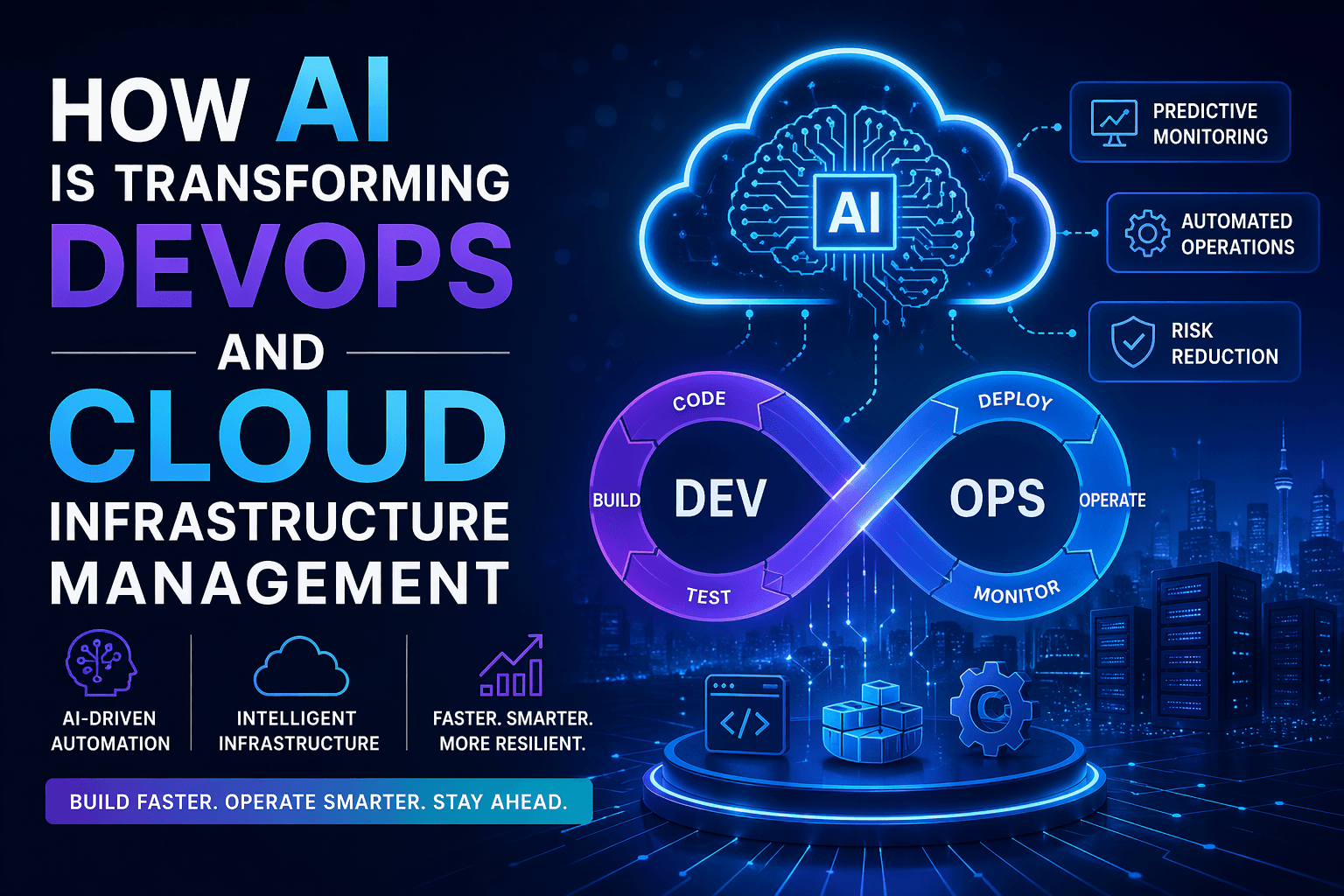
Cloud infrastructure was built for scale. DevOps was built for speed. AI is now making both intelligent.
What we are witnessing is not just an upgrade in tooling but a fundamental shift in how systems are built, deployed, and managed. Manual interventions, reactive monitoring, and static configurations are slowly giving way to predictive, self-optimising, and autonomous systems.
AI in cloud computing is projected to grow at a CAGR of over 30% through 2030. At the same time, edge AI alone is expected to reach $66.47 billion in revenue by 2030. These numbers are not just indicators of growth. They signal a structural transformation in how modern infrastructure operates.
This is where modern DevOps services and cloud solutions are evolving. Businesses are now adopting AI-driven DevOps automation to build faster, manage infrastructure better, and reduce risks.
By the end of this blog, you will understand where AI is creating real operational leverage in DevOps and cloud environments and where it is still catching up to the promise.
How AI Is Transforming the DevOps Lifecycle and CI/CD Automation
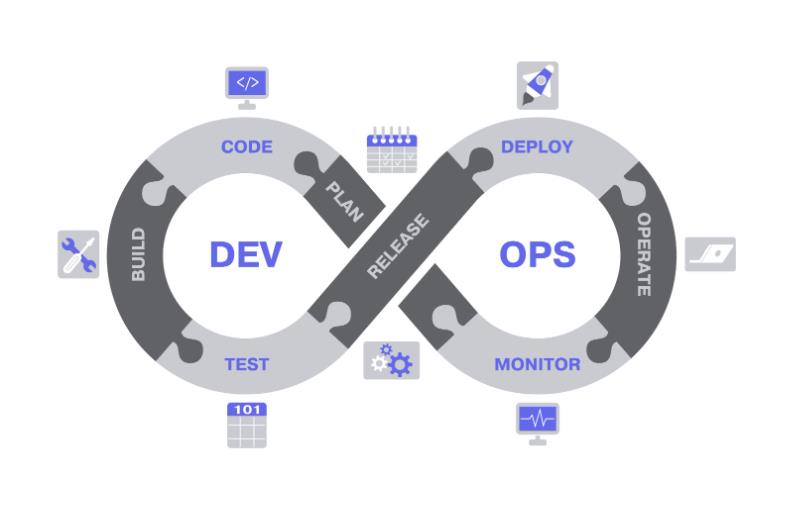
DevOps has always aimed to reduce friction between development and operations. AI takes this further by adding decision-making capabilities across the lifecycle.
These advancements are redefining how DevOps development services are delivered, with a stronger focus on automation, intelligence, and continuous improvement.
AI-powered CI/CD pipelines can now analyse historical build data to predict failures before they happen. Instead of waiting for pipelines to break, teams can proactively fix issues.
Code reviews are also evolving. AI tools identify anti-patterns, security vulnerabilities, and gaps in test coverage before code is merged. This reduces rework and improves code quality early in the process.
Deployment is becoming safer as well. AI can recommend or even trigger rollbacks based on anomaly detection during releases. Security has also shifted left, with AI-driven DevSecOps enabling real-time threat detection during development.
The result is not just faster delivery but smarter delivery.
AIOps in DevOps: Smarter Monitoring and Incident Management
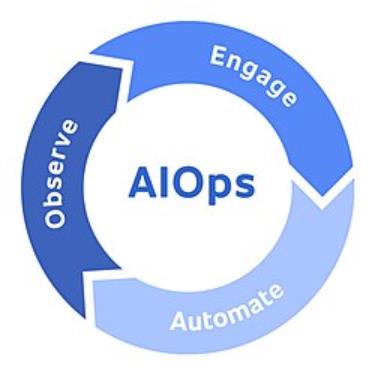
Traditional monitoring systems rely on predefined thresholds. This often leads to alert fatigue and delayed responses.
AIOps changes this by making systems context-aware.
AI models analyse historical data to understand what “normal” looks like. When something deviates, abnormalities are detected early, often before users are impacted. More importantly, AI correlates events across systems to identify root causes faster.
This significantly reduces Mean Time to Resolution (MTTR). This shift is a key reason why businesses are investing in scalable DevOps services to move from reactive operations to proactive infrastructure management.
Instead of engineers manually querying logs and metrics, natural language interfaces now allow them to ask questions like:
“Why did latency spike in the last hour?”
AI systems can respond with insights drawn from multiple sources instantly.
This shift moves operations from reactive firefighting to proactive management.
Cloud Cost Optimization with AI in DevOps
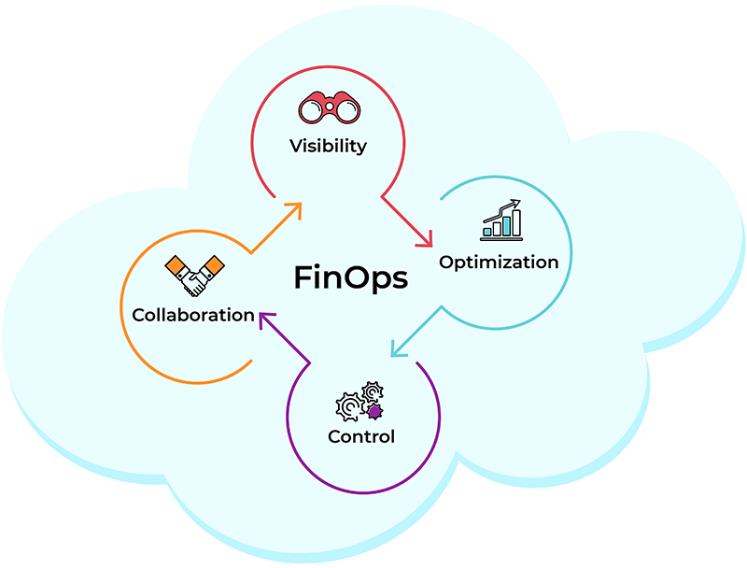
Cloud spending is one of the biggest challenges organisations face. Overprovisioning, idle resources, and complex pricing models often lead to unnecessary costs.
AI is helping organisations regain control.
By analysing usage patterns, AI can:
- Identify underutilised resources and recommend rightsizing
- Predict future demand to avoid overprovisioning
- Enable smarter scaling decisions based on real usage
Key areas where AI is making a strong impact:
GPU optimisation
With the rise of AI workloads, GPU usage has become expensive. AI-driven scheduling and batching help reduce waste and improve utilisation.
Multi-cloud cost optimisation
Workloads can be intelligently distributed across providers to balance cost and performance.
Automated scaling
Systems can scale down during off-peak hours without human intervention, reducing unnecessary spend.
AI is not just reducing costs. It is aligning infrastructure spend with actual business value.
For organisations working with a DevOps services company, this level of optimisation translates directly into measurable cost savings and improved resource efficiency.
AI + Infrastructure as Code (IaC): Smarter Cloud Automation
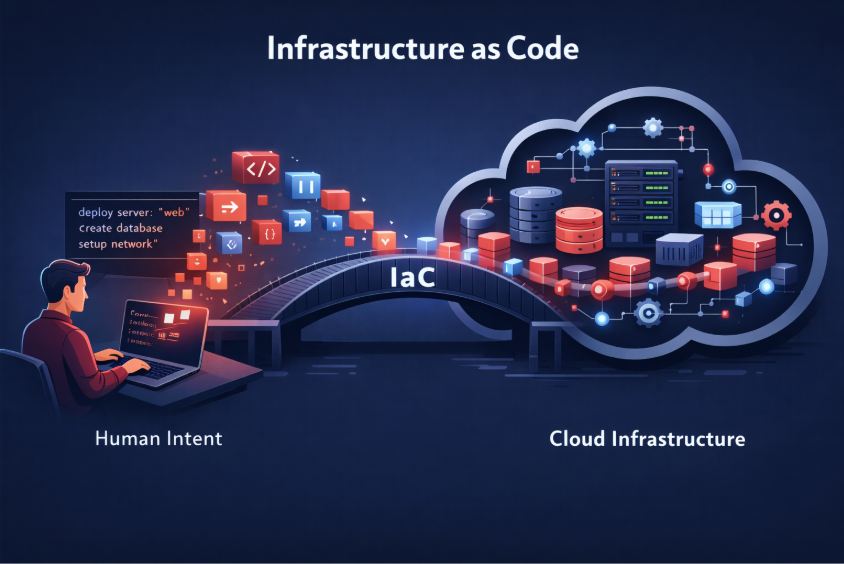
Infrastructure as Code (IaC) brought automation to provisioning. AI is now making it intuitive.
Instead of writing complex configuration files, engineers can describe what they need in natural language. AI can generate infrastructure code, validate it, and even suggest improvements.
AI-driven automation is also transforming how DevOps development services in USA and globally are structured, making infrastructure management more predictive and less manual.
Drift detection has also improved. AI continuously compares live infrastructure with the declared state and flags inconsistencies before they become incidents.
Compliance is becoming easier to manage. AI ensures that configurations align with standards like SOC 2, ISO 27001, and CIS benchmarks automatically.
However, this also raises an important point. AI amplifies both good and bad architecture. Poorly designed systems become more visible, faster.
This makes architectural discipline even more critical.
Self-Healing Infrastructure Is Becoming a Reality
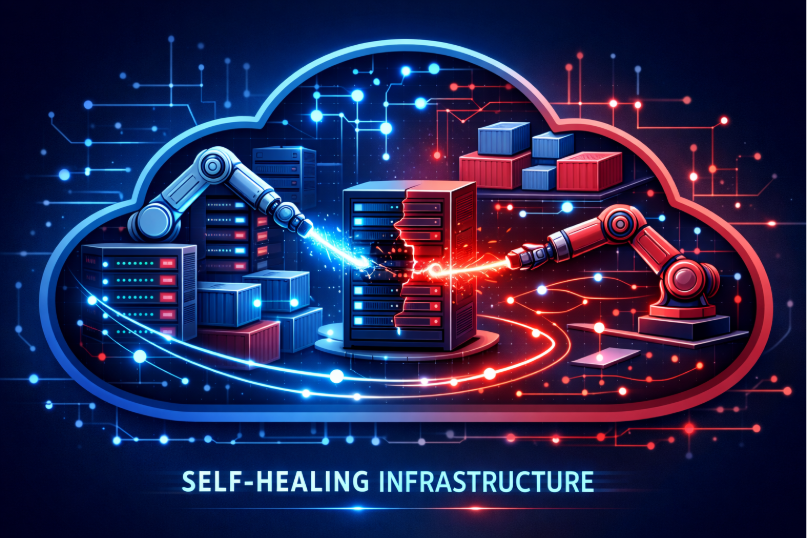
One of the most powerful applications of AI in cloud infrastructure is self-healing systems.
Instead of alerting engineers at odd hours, systems can now detect issues and fix them automatically.
AI-driven runbooks execute predefined remediation steps when specific conditions are met.
For example, if a service crashes, the system can restart containers, reallocate resources, or reroute traffic without human intervention.
In Kubernetes environments, AI helps manage cluster scaling, pod scheduling, and node replacement dynamically.
AI is also being used in chaos engineering. It can simulate failures, analyse system responses, and identify weaknesses before they affect production.
These capabilities are becoming a core part of modern DevOps services, especially for businesses operating at scale.
While full autonomy is still evolving, the reduction in on-call burden is already significant.
The Rise of Edge AI: When the Cloud Isn’t Close Enough
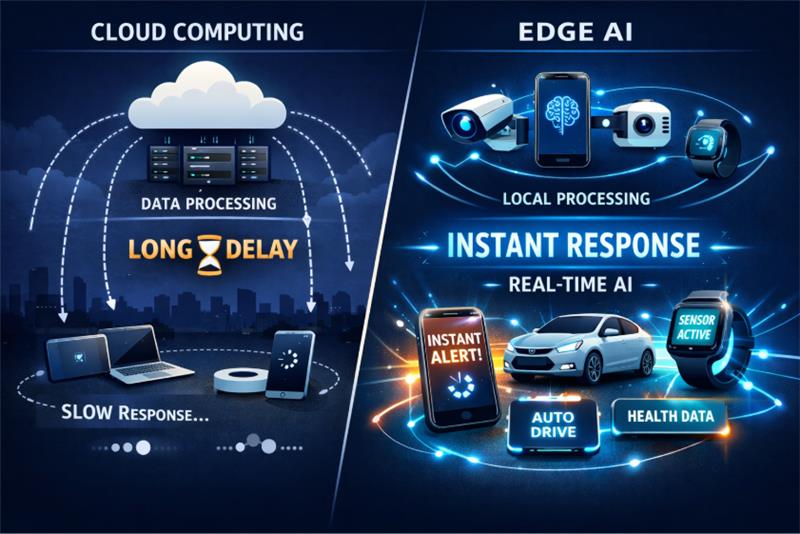
Not all decisions can wait for a central cloud to respond.
Edge AI brings intelligence closer to where data is generated. This is critical for applications that require real-time responses, such as autonomous vehicles, industrial IoT, and fraud detection.
The edge AI market is expected to grow from $24.9 billion in 2025 to $66.47 billion by 2030. This growth reflects the increasing need for low-latency, high-performance systems.
For DevOps teams, this introduces new challenges.
Deploying updates to thousands of edge nodes is very different from managing a centralised cloud environment. CI/CD pipelines must adapt to distributed architectures, and observability becomes more complex.
The future lies in balancing cloud scalability with edge responsiveness.
AI Is Accelerating DevSecOps and Supply Chain Security
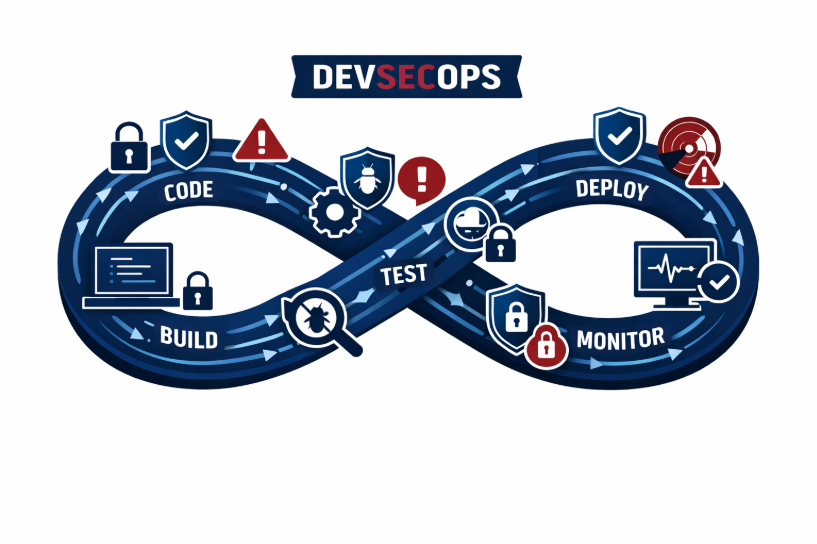
Security has always struggled to keep pace with development speed. AI is helping close that gap.
AI-enhanced security tools can identify vulnerabilities with higher accuracy and fewer false positives. They also provide contextual remediation suggestions, making it easier for developers to fix issues quickly.
At runtime, AI monitors system behaviour to detect anomalies in containers and Kubernetes clusters.
Supply chain security is another critical area. AI scans dependencies and flags risky packages before they are introduced into the system.
This ensures that security moves at the same speed as development.
Final Thoughts
AI is not replacing DevOps. It is augmenting it.
It removes repetitive, manual work such as alert triage, scaling decisions, and routine debugging. This allows engineers to focus on architecture, innovation, and long-term system design.
However, becoming AI-ready requires more than adopting new tools.
It requires:
- Observability-first architecture
- Flexible, vendor-neutral design
- Strong governance and compliance frameworks
There are also challenges to consider. Tool sprawl, lack of explainability, and the rising skill requirements can create friction if not managed properly.
Looking ahead, the next wave will include agentic AI systems, LLM-driven observability, and AI that can write and execute its own operational runbooks.
Organisations that leverage advanced DevOps development services are better positioned to adopt AI-driven infrastructure and stay competitive in rapidly evolving markets.
The question is no longer whether AI will transform DevOps and cloud infrastructure.
It already is. If you’re looking for a reliable DevOps partner for cloud, automation, and AI-led infrastructure, you can explore our solutions.
Book a consultation with our cloud and DevOps team at Openspace Services to assess your current setup and identify where AI can make the biggest difference.